Copenhagen in 5 Days: A Curated Cultural Itinerary
Copenhagen is a city of quiet contrasts, where royal palaces share the skyline with striking contemporary architecture, Michelin-starred restaurants sit beside centuries-old bakeries, and bicycles outnumber cars. Here, centuries-old fortifications give way to wild deer parks, while good design feels less like an aesthetic choice than a way of life. Five days is enough to understand the rhythm of the city, wandering neighbourhoods without purpose, and letting the days unfold at Copenhagen's own measured pace.
LAST UPDATED: AUGUST 2026
24 JULY 2026
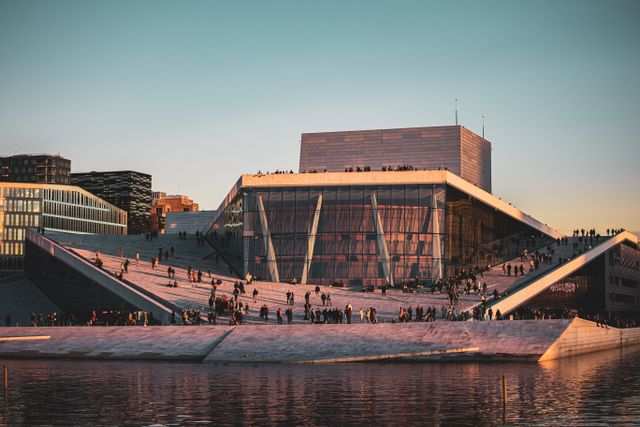
Your 5 day Copenhagen itinerary at a glance
Five days is enough time to cover Copenhagen's museums, neighborhoods, and food scene without rushing — with room left to catch whatever's actually happening while you're here. Here's the shape of the trip at a glance; see what's on this month for events worth building a day around.
- DAY 1
The historic centre
- Nyhavn at first light
- Kongens Nytorv, Strøget and City Hall's tower
- An afternoon canal tour or self-captained GoBoat
- DAY 2
Crown jewels and the harbour's edge
- Rosenborg Castle and the King's Garden
- Christiansborg Palace on Slotsholmen
- Kastellet, the Little Mermaid and Tivoli Gardens by night
- DAY 3
The alternative city
- Freetown Christiania
- Reffen street food market
- DAY 4
Design and Nørrebro's everyday rhythm
- Illums Bolighus and the Hay flagship
- Torvehallerne food market
- Vesterbro or Nørrebro, ending at Superkilen
- DAY 5
Deer, coastline and the Louisiana Museum
- Dyrehaven deer park in Klampenborg
- Louisiana Museum of Modern Art in Humlebæk
Building the days around exhibitions and openings? See what’s on this month.
Day One: The Historic Center
Start at Nyhavn. The gabled, jewel-toned houses along the quay are the image most people carry of Copenhagen before they've even arrived, and seeing them without the crowd changes the register entirely. From there, the walk toward Kongens Nytorv and the Royal Theatre leads naturally onto Strøget, one of Europe's longest car-free stretches, which in turn empties into Copenhagen City Hall, climb the tower if the legs allow it; the view over the rooftops is one of the city's better-kept rewards.
Spend the afternoon on the water. A canal tour is one of the best ways to experience the city. Copenhagen's houseboats and harbor architecture take on a whole new perspective from the water. If you'd rather explore at your own pace, you can even rent a boat without a captain from GoBoat.
Day Two: Royal Copenhagen and the Harbor's Edge
The morning belongs to the crown. Rosenborg Castle, tucked inside the King's Garden, holds the Danish crown jewels behind glass that has guarded them for centuries; the castle itself is more charming than dramatic. The King's Garden (Kongens Have) around it is the country's oldest public park, and a slow half hour here — coffee in hand, no particular destination — is as Copenhagen a way to spend a morning as exists.
Cross to Christiansborg Palace on Slotsholmen next, the singular building on earth that houses a parliament, a supreme court and a prime minister's office all at once. Its tower is free to climb and gives one of the best views in the city.
By afternoon, walk the harbor north to Kastellet, one of the best-preserved star-shaped fortresses left in Northern Europe. Built in the 1660s and still, technically, an active military site, its grass ramparts and working windmill hold a stillness that feels almost accidental for a defense structure. Continue past the Gefion Fountain to The Little Mermaid — modest in scale, outsized in reputation, and worth the walk more for the harbor promenade leading to her than for the statue itself.
Close the day at Tivoli Gardens, the amusement park that predates Disneyland by nearly a century and somehow still feels like a private garden rather than a franchise, particularly once the lights come on.
Day Three: The Alternative City
By the third day, trade the monuments for something less arranged. Cross into Christianshavn and visit Freetown Christiania, the self-governing community founded by squatters in 1971 on the site of a former military barracks. Once known for its alternative lifestyle, colorful street art, and open cannabis trade, Christiania has entered a new chapter since 2025 following the efforts to reshape the area. The hand-built houses, creative spaces, and independent spirit remain, but the atmosphere is changing. An hour gives you a sense of its history and identity; stay longer if lunch or a coffee happens along the way.
From there, continue east to Reffen, Northern Europe's largest street food market, built almost entirely from repurposed shipping containers with harbor water on every side. Christiania and Reffen share a certain unpolished, entrepreneurial spirit, and visiting both in the same day is the fastest way to understand the Copenhagen that exists just past the postcard version.
Day Four: Design, Markets, and Everyday Copenhagen
Give this day to the city's design instinct. Illums Bolighus on Strøget has been the city's grand department store of Danish design since 1925; a short walk away, the Hay flagship is staged across a set of historic apartments as though someone simply lives there. Normann Copenhagen, folded into the Kronprinsessegade streets, complete the crawl for anyone with the stamina.
Break at Torvehallerne, the glass-walled food market near Nørreport, quieter and more local than Reffen, and the right place for smørrebrød without committing to a full sit-down meal. Spend the afternoon in Vesterbro, once the red-light district and now home to some of the city's better coffee roasters, or in Nørrebro, where the neighborhood's multicultural pulse gathers at Superkilen, an urban park furnished with objects drawn from more than sixty countries, strange, specific, and worth the detour.
Day Five: Deer, Coastline, and the Louisiana Museum
Leave the city behind entirely on the fifth day. The coastal train north leads first to Klampenborg and Dyrehaven, a royal deer park of ancient oak and beech spread across more than eleven square kilometers, where herds of red and fallow deer have grazed undisturbed since the 1600s.
Further up the coast, in Humlebæk, the Louisiana Museum of Modern Art waits at the edge of the Øresund. Its galleries strung along a cliffside sculpture garden with Sweden visible across the water on a clear afternoon. Give it three unhurried hours, minimum, and don't plan much after.
Practical Notes
Copenhagen is not an inexpensive city, but a Copenhagen Card - unlimited transport bundled with entry to more than eighty attractions, Louisiana included - can be worth the math for travelers stacking several paid sights into each day. Work out the specifics against your own itinerary before buying.
Much of the center is walkable, and a rented bicycle remains one of the more honest ways to move through it. Reffen runs seasonally, so confirm before a winter visit. Klampenborg sits roughly twenty minutes from the center by S-train, with Louisiana another fifteen minutes up the same coastal line, close enough to fold both into a single, unhurried day.